
Featured Courses
Explore some of the highly rated and popular featured courses offered by School of Education departments during Summer Term. These courses cover a wide range of interest areas and many fulfill breadth requirements. Register soon. Some of these courses fill up fast.
Art
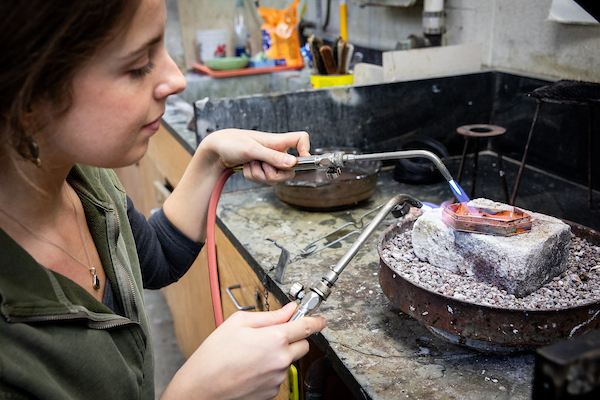
448: Special Topics – Ring Making
Short term two-week workshop on metalsmithing ring making techniques including sizing, forming, texture, stone-setting, and other methods. Open to beginning, intermediate, or advanced students. No background in metalsmithing required.

448: Special Topics – Ceramics
Short term workshop on ceramic wheel throwing techniques.

306: Relief Printmaking
Woodcut, collage print, linoleum cut, and wood engraving; color printing. Studio practice, lectures, discussion, critiques.
Counseling Psych

335: Body Image and Eating Disorders in the Helping Professions
Frameworks, concepts, and practical approaches to support individuals of all body sizes, with a particular focus on those grappling with eating disorders and body image concerns. Critical topics such as the pervasive issue of weight bias; the complex relationship between identity, culture, and body image; the limitations and strengths of the medical model in treating eating disorders; the principles of Health at Every Size (HAES) and intuitive eating (IE); and the powerful role of advocacy and activism in challenging societal norms on small and large scales.
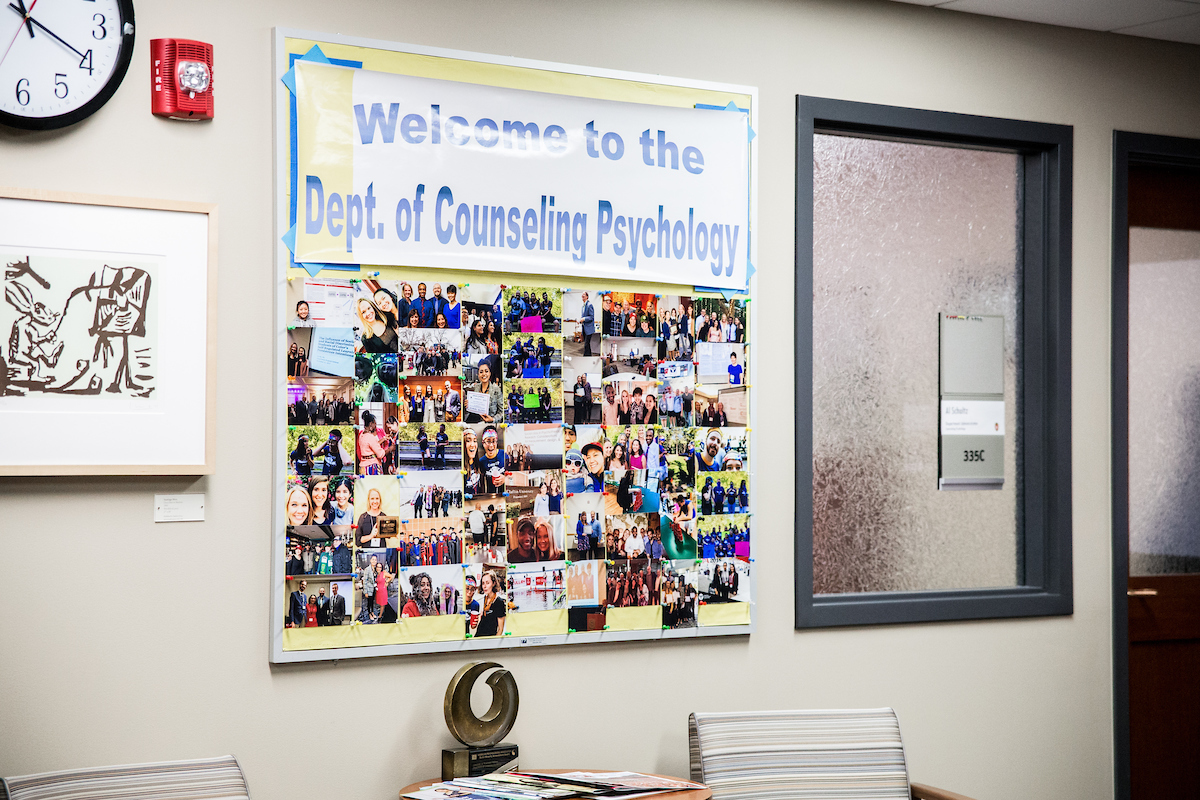
225: Intersectionalities, self-awareness, and social actions for social change
An introduction to the intersectionality framework in the United States to enhance skills necessary for culturally responsive awareness and interactions, with specific emphasis on how to think critically about and hold multiple perspectives and how to prepare for service learning. In addition to learning how contexts and social histories matter to situate an understanding of experience, develop self-awareness and understanding of social location as well as learn how contextual factors shape identity, opportunities, and barriers for others. This course is relevant for all students of different identities, backgrounds, and experiences, who are interested in developing their awareness, knowledge and skills with multiculturalism and diversity. CP225 counts toward the university’s Ethnic Studies Requirement (ESR) and can be taken as part of the Health Promotion Health Equity major.
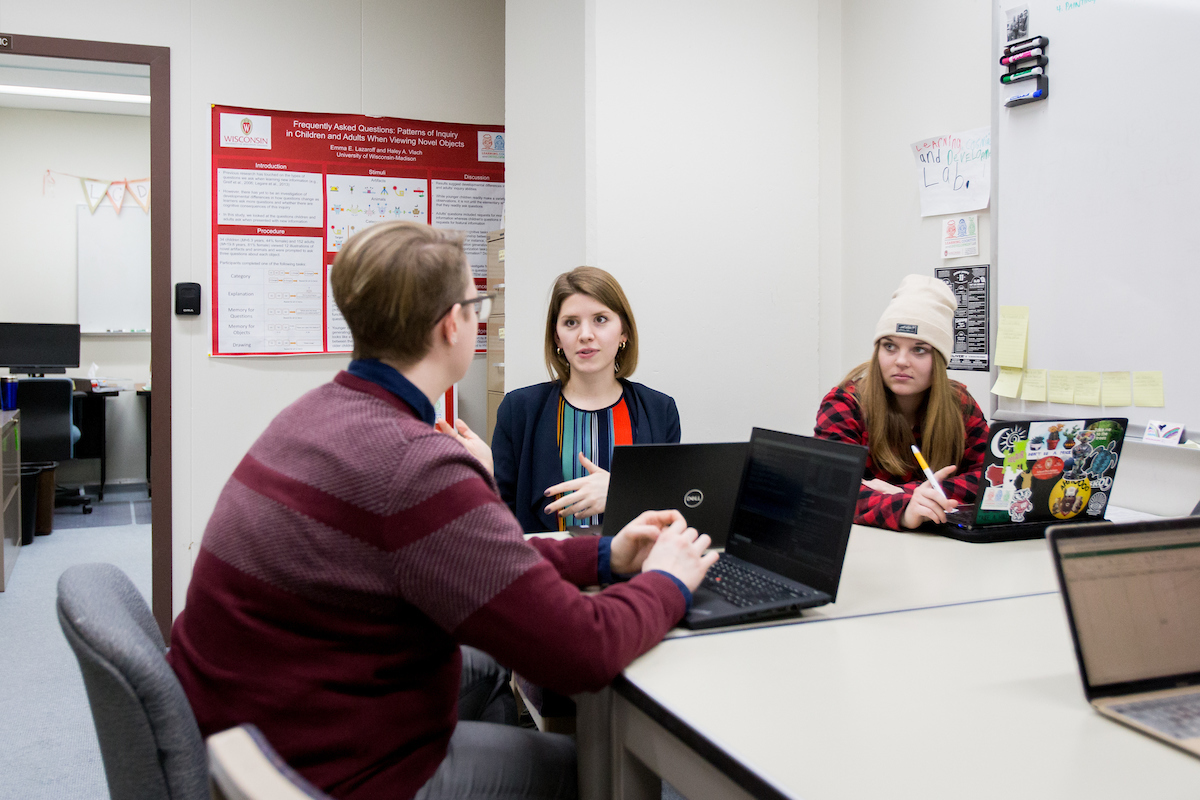
336: Crisis and Trauma in Counseling
Introduction to the multifaceted nature of trauma and crisis through a biopsychosocial-cultural lens, emphasizing their impacts on individuals, communities, and systems. Explores the neurobiology of trauma, historical and systemic contributors to inequity, and the role of social determinants in shaping trauma outcomes. Integrates theory, research, and practice to develop skills in trauma-informed, culturally responsive approaches applicable to health promotion, healthcare, and other helping professions.
Curriculum & Instruction

319: Pedagogical Content Knowledge for Teaching Elementary Mathematics 1
Develops preservice teachers’ mathematical knowledge for teaching i.e., Pedagogical Content Knowledge – the kind of knowledge that blends mathematical and pedagogical understandings. Explores topics defined by the Common Core State Standards for Mathematics such as foundations of arithmetic, addition, subtraction, multiplication and division of whole numbers and integers, the base-ten system, number theory, foundations of fraction operations and geometry.

550: Methods, Materials, Activities in Early Childhood Education
Developing strategies for teaching young children. Relationships between development and culture, play, the variety of teachers’ roles in learning, the functions of observation and assessment, developmentally appropriate practices, engaging children in their own learning, and constructing a curriculum unit.
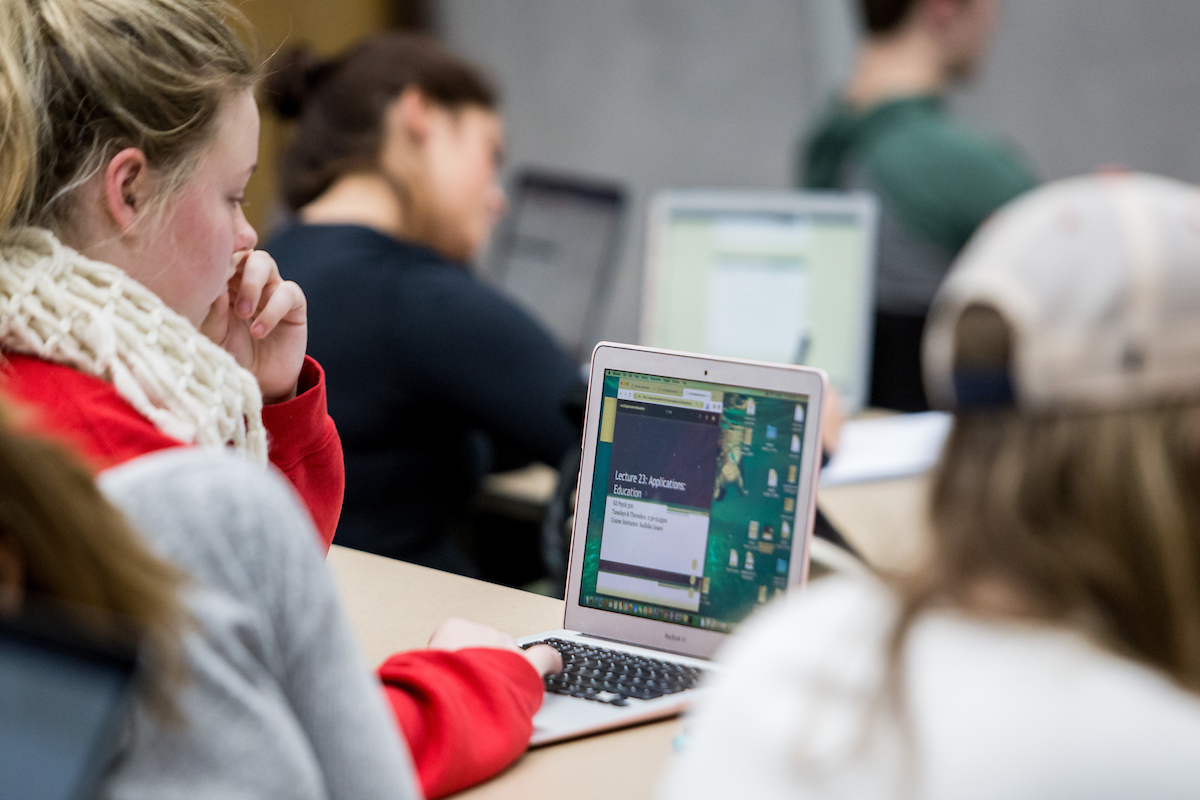
406: Race, Intersectionality & Equity in Education
Addresses a range of issues to help teachers more thoughtfully and equitably serve their students of color and develop a critical and historical understanding of the racism, marginalization, and exclusion that is endemic to the U.S. public school system. Provides an overview of foundational constructs that are essential for pre-service teachers preparing to teach and serve diverse students and families. Explore how race, racism, and racialization in education intersect with class, gender, dis/ability, religion, sexuality, etc. to shape inequitable schooling conditions and experiences for students of color. Analyze the effects at the individual, interactional, institutional, and societal levels. Consider how power always-already enables particular policies and practices that reproduce educational inequities and hence sustain white privilege and dominance.
Dance

168: Dance Gender: Embodiment, Politics and Feminist Theory
Gender theories and feminist theories emphasize the body as a crucial site for understanding gender distinctions. Since the body plays a central role in both the art of dance and the academic field of dance studies, these theories can be examined through the lens of dance. By drawing on a diverse range of examples and dance genres—including Ballroom, Bollywood, Folk Dance, Ballet, and more—this exploration highlights the cultural specificity of gender norms. This course illustrates how dance has the potential to challenge heteronormativity through performance.
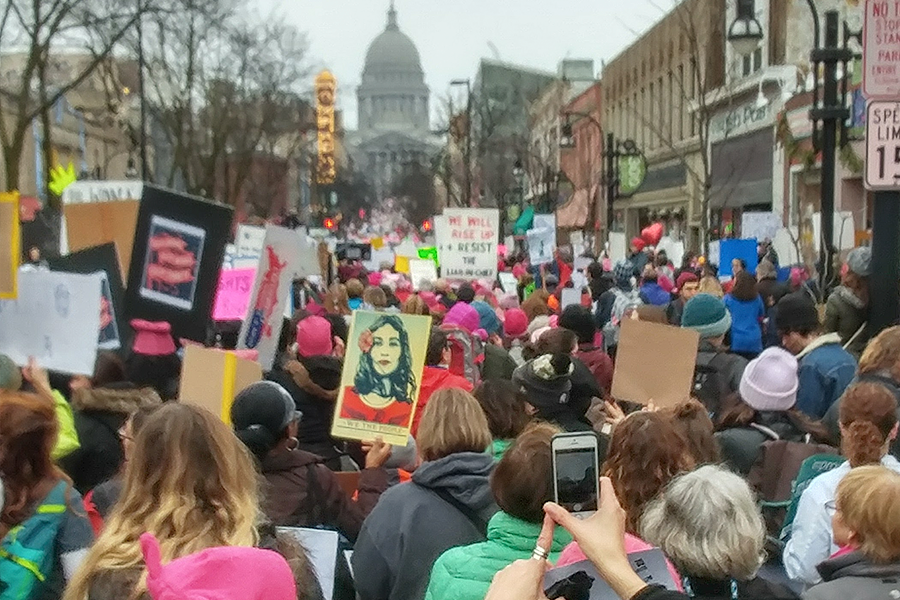
268: Political and Cultural Perspectives in Dance Studies
Examines the role of dance as a cultural form of expression within the political sphere. Draws on a variety of case studies ranging from popular dance TV shows, to European modern dance and from hip-hop to dancing at public protests and asks the question of what constitutes dance and what is its social and political function.
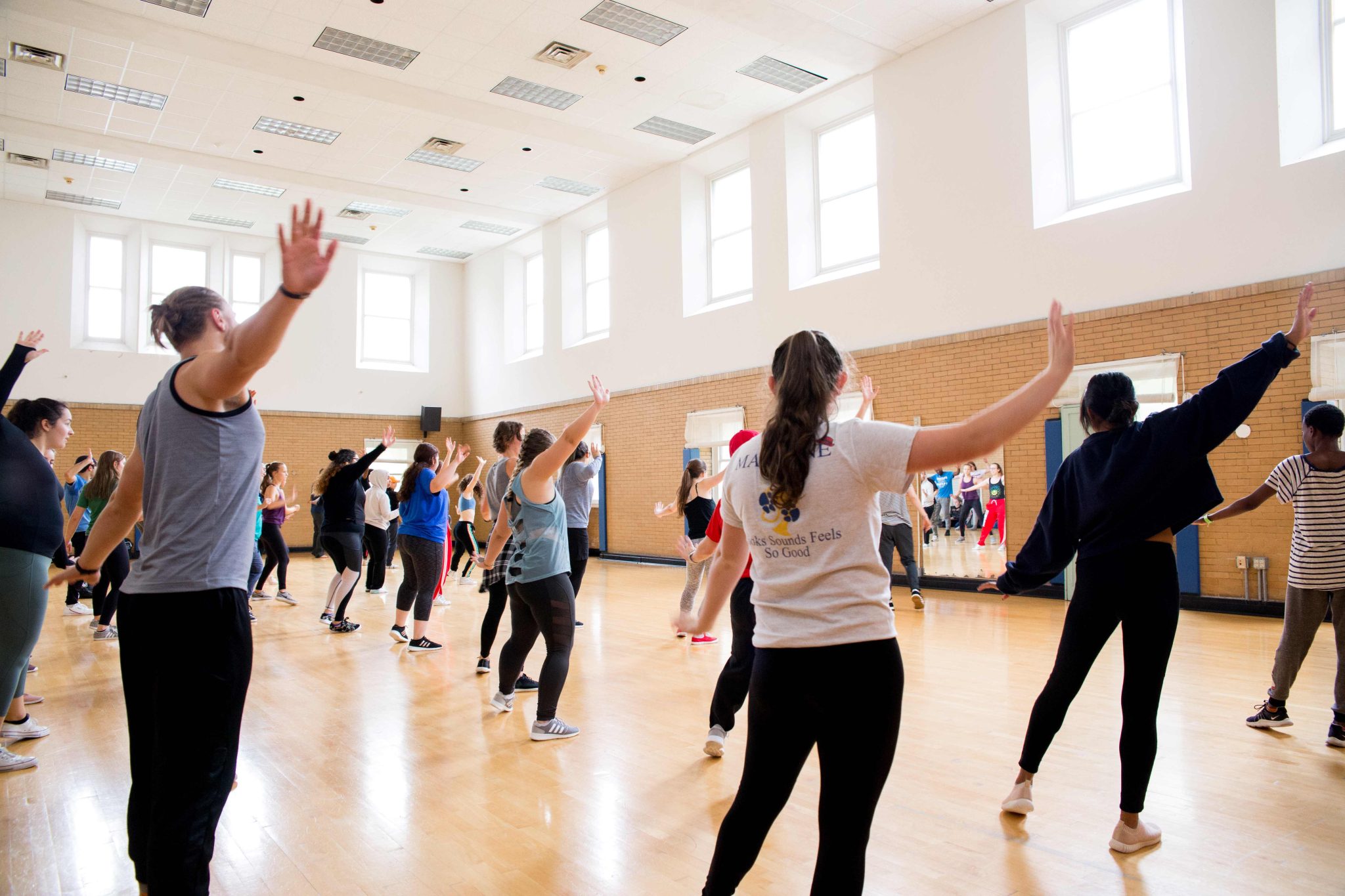
100: Understanding Dance
Builds understanding and appreciation for the field of Dance. Delves into dance and its’ many facets, integrating, theoretical, historical, and embodied learning through viewing, reading, reflecting, discussing and finally, creating. Develops students into an informed audience and encourages relevance to other disciplines.
Educational Leadership & Policy Analysis
715: Governance and Administration of Colleges and Universities
Examines the functions, organization, and administrative practices of colleges and universities; role of governing boards, administrators, faculty members, and students in policy making.
701: Introduction to Higher and Post-Secondary Education
Examines the history and philosophy of higher and postsecondary education; the major participants; curriculum; governance and leadership; relations with state and federal government; and current issues.

442: Civil Rights Laws, the Courts & Public Education
An exploration of how federal court cases affect students’ and educators’ civil rights in K-12 public schools. Civil rights protections relating to students and educators in charter schools and school voucher programs will also be discussed.
Educational Policy Studies
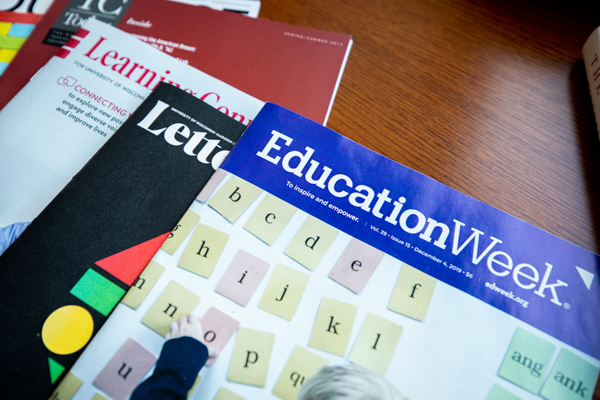
210: Youth, Education, and Society
Study the lived experiences of young people situated within diverse racial, cultural, gendered, social, and classed contexts. Students will reflect on their own experiences as youth and their relationship to education and other social institutions. Check out the rest of the ED POL courses offered this summer on the Courses & Resources website (https://go.wisc.edu/epscourses)!

320: Climate Change, Sustainability, and Education
Learn about human-earth relationships, and the causes and consequences of climate and environmental change. In this course, students will develop a critical, global approach to examining the role of education, in school and out, in addressing crucial climate and environmental challenges. Check out the rest of the ED POL courses offered this summer on the Courses & Resources website (https://go.wisc.edu/epscourses)!

560: Gender and Education
Examines the relationship between gender and education and explores notions of gender as socially constructed categories and identities. Identify and analyze the ways schools (re)produce and mediate gender identities and explore the experiences of students. Check out the rest of the ED POL courses offered this summer on the Courses & Resources website (https://go.wisc.edu/epscourses)!
Educational Psychology
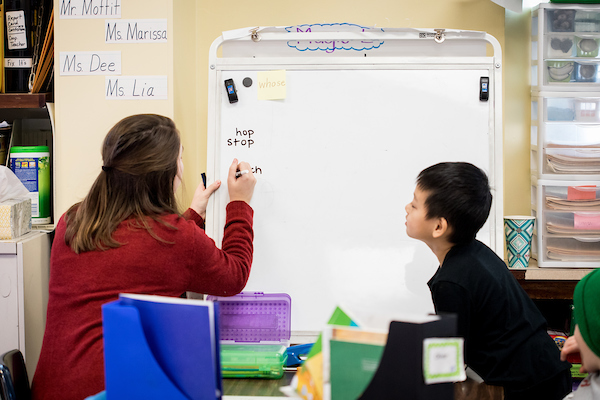
301: How People Learn
If you’ve ever wondered about how we learn, think, & know, join our class that is designed to examine the social & psychological principles that inform our understanding of the world around us. Explore foundational theories of learning, implications of thinking, & relationships between theory & application in the world. This course has been professionally developed and designed as an asynchronous, online course.

320: Human Dev – Infancy & Childhood
Want to learn about infants and children? If so, this class is for you! This course provides a broad overview of developmental changes from conception through childhood, such as changes in physical, motor, perceptual, cognitive, language, emotional, and social development. This course has been professionally developed and designed as an asynchronous, online course.

326: Mind, Brain and Education
What can we learn from studying the brain? Mind, Brain and Education (MBE) is an emerging field that bridges neuroscience, psychology, and education. This asynchronous course provides a broad overview of brain development from birth to adolescence in educational contexts, such as how the brain changes in response to learning. This is an asynchronous, online course.
Kinesiology
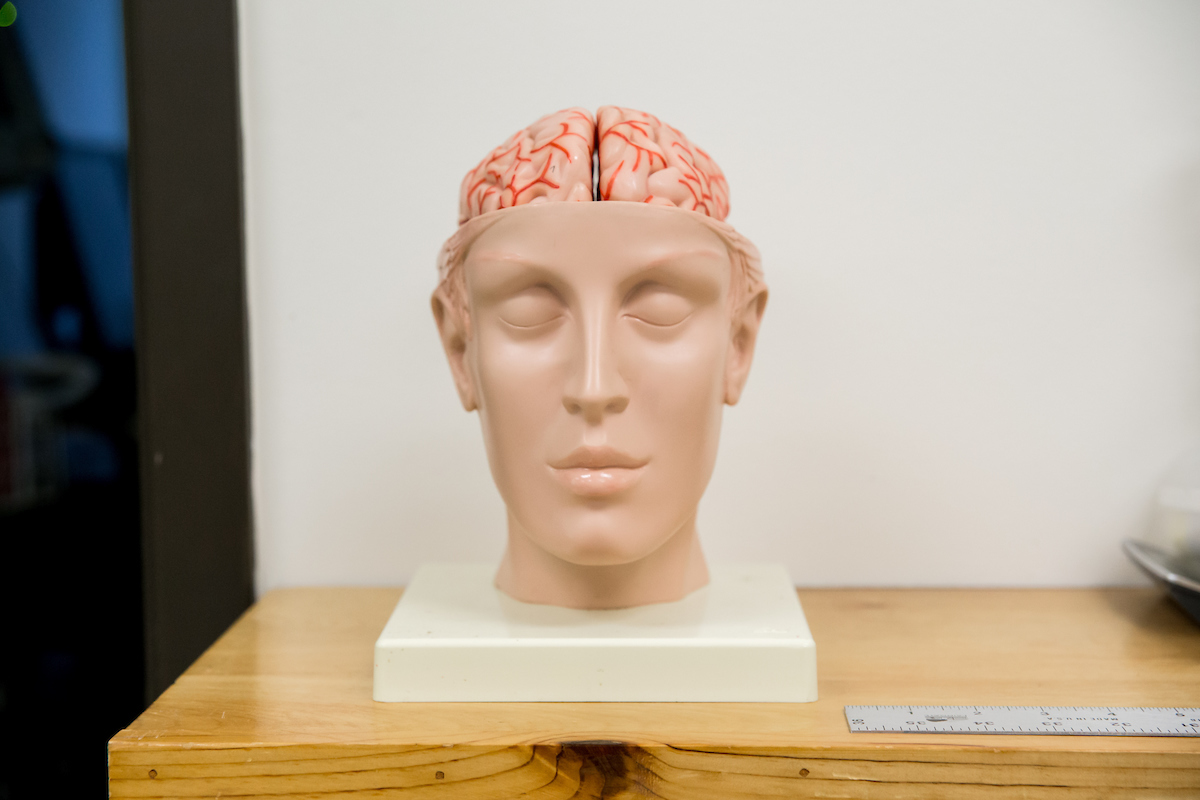
100: Exercise, Nutrition, and Health
Guidelines and assessment methods for fitness and nutrition. Motivation, adherence and stress-reduction techniques discussed. Lecture-demonstration concerning effects of exercise and nutrition on health and well-being.
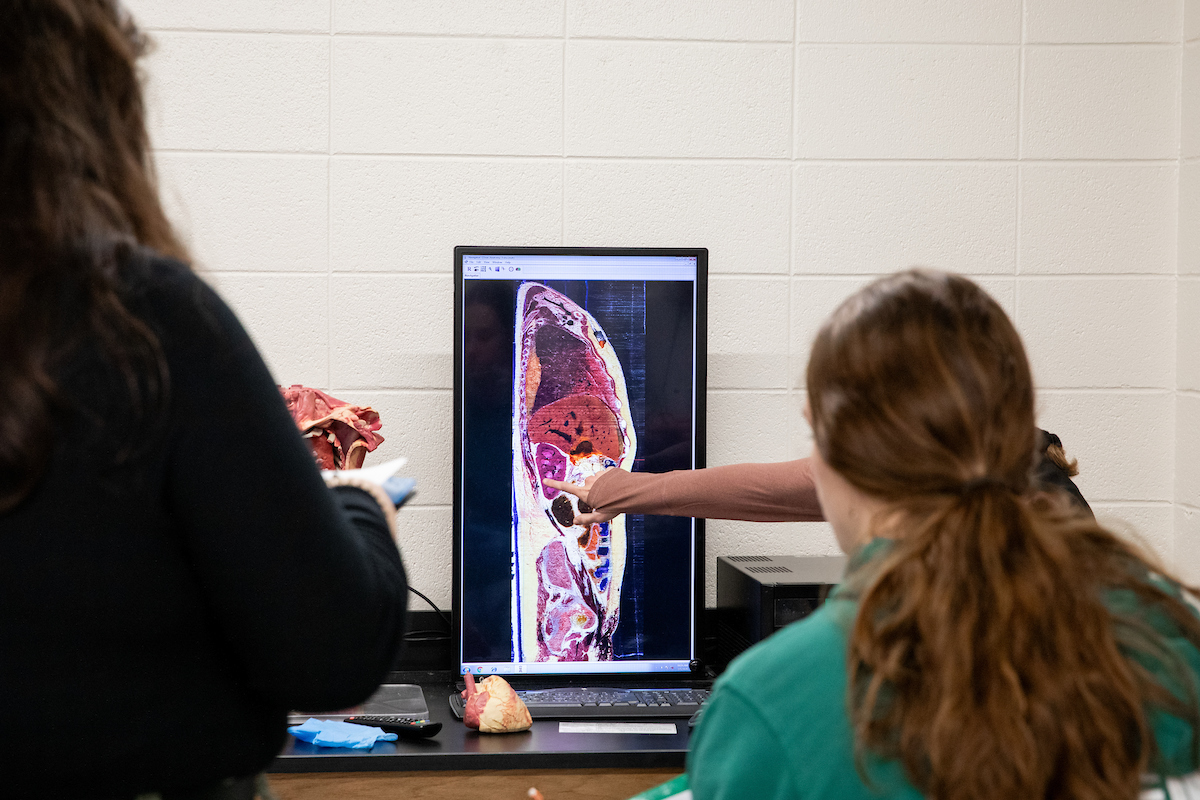
330: Research in Kinesiology
The research process as applied in kinesiology, including hypothesis development, ethical issues, study design, measurement and statistical concepts, and presentation of results. Includes exposure to current research within the Department of Kinesiology.
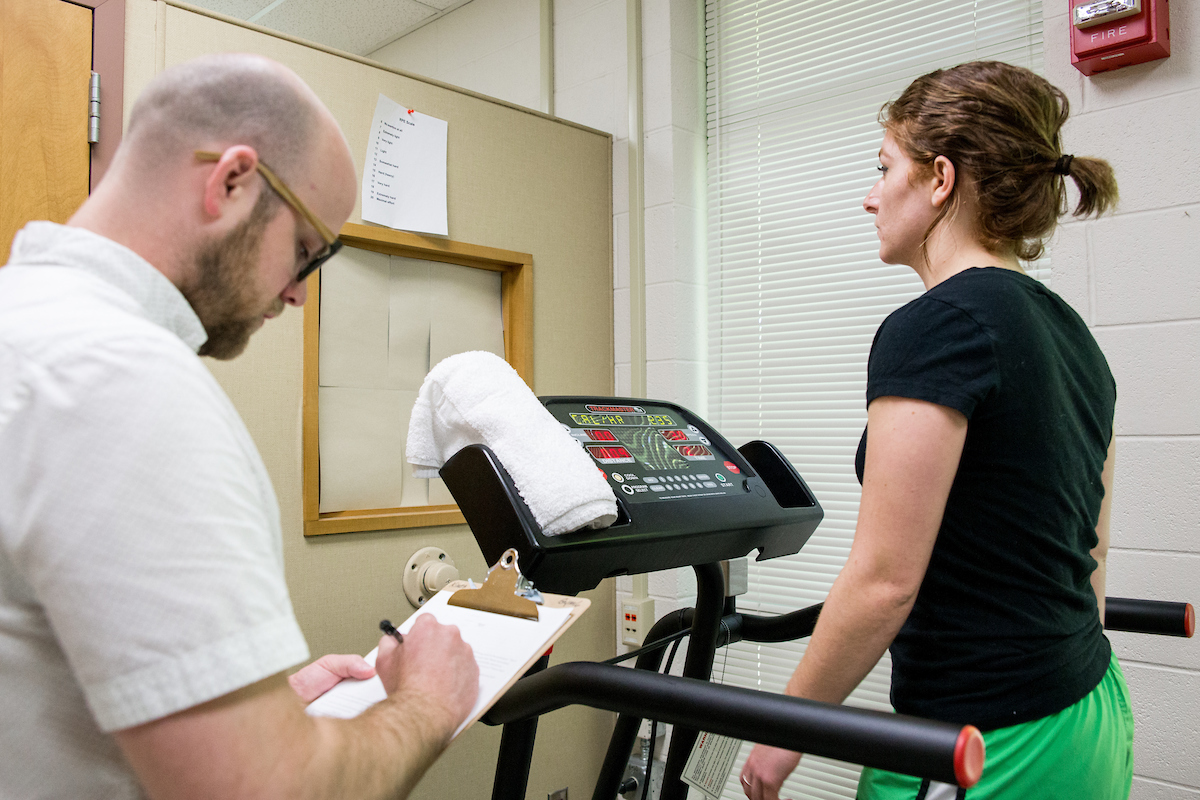
540: Diversity in Health and Physical Activity Settings
Issues related to promoting equal learning opportunities in the classroom and other community settings, including effective approaches to encouraging collaboration among colleagues, staff, parents, and students who are culturally, ethnically and socio-economically diverse are examined. In addition, effective instructional and coaching methods for an inclusive sport environment, athletic programs, and health professions as they relate to diverse individuals are addressed. Theoretical and practical paradigm of cultural differences are introduced.
Rehabilitation Psychology & Special Education

325: Self Management of Chronic Illness and Disability
Provides knowledge and understanding of concepts of self-management of chronic Illness and disability using both theoretical and empirically-based approaches. Includes discussion of collaboration among healthcare providers in helping individuals manage symptoms of their chronic health conditions, condition-specific education about the typical symptoms and advice about the decisions and actions that the individual with the chronic health condition can take when those symptoms occur, and coping skills that can be facilitated to address the emotional reactions and stress related to chronic health conditions.

300: Individuals with Disabilities
Designed to expand the knowledge base of future educators, clinicians, and society members to better understand and serve the diverse needs and interests of individuals with disabilities. Introduces the concept of disability as well as the field of special education. The history, etiology, and characteristics of specific categories of disability are examined, as are educational and other federally mandated programs designed to address the needs of both children and adults with disabilities. Topics germane to the study of disability and the field of special education are explored.
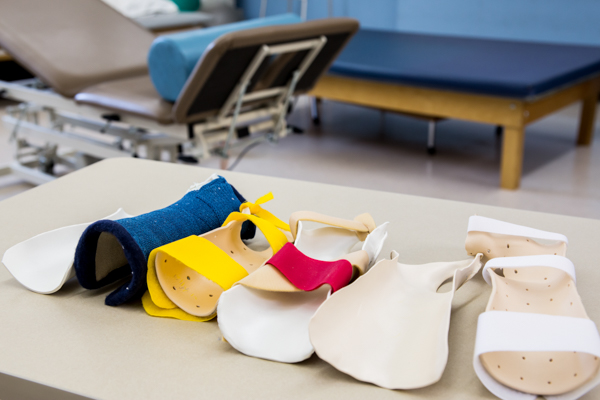
316: Health Promotion for Individuals with Disability and Chronic Illness
Addresses theories and research related to health psychology, health behavior and quality of life. Focus on understanding models of healthy lifestyle interventions, assessment/intervention strategies for health promotion, factors affecting health behavior, public health initiatives. Attention is given to application of practical tools for promoting health and preventing secondary conditions for individuals with disabilities and chronic illness.
Theatre & Drama
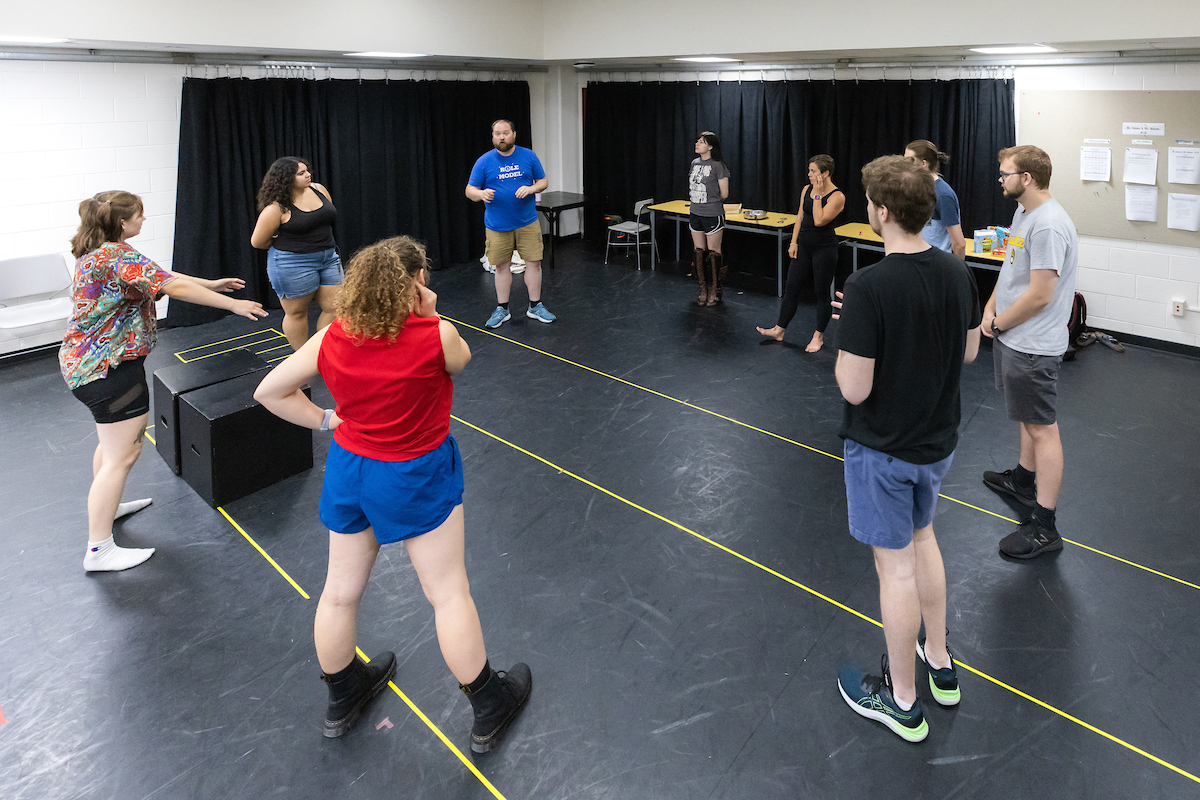
100: Experiencing Theater
Offers a vibrant, collaborative journey into the heart of storytelling by exploring the transformative power of theatre. Through this exploration, students will develop an understanding and a deeper appreciation of performative events as well as critically think about these diverse experiences. Concepts will be covered through virtual workshops, digital productions, and lectures with theatre professionals.
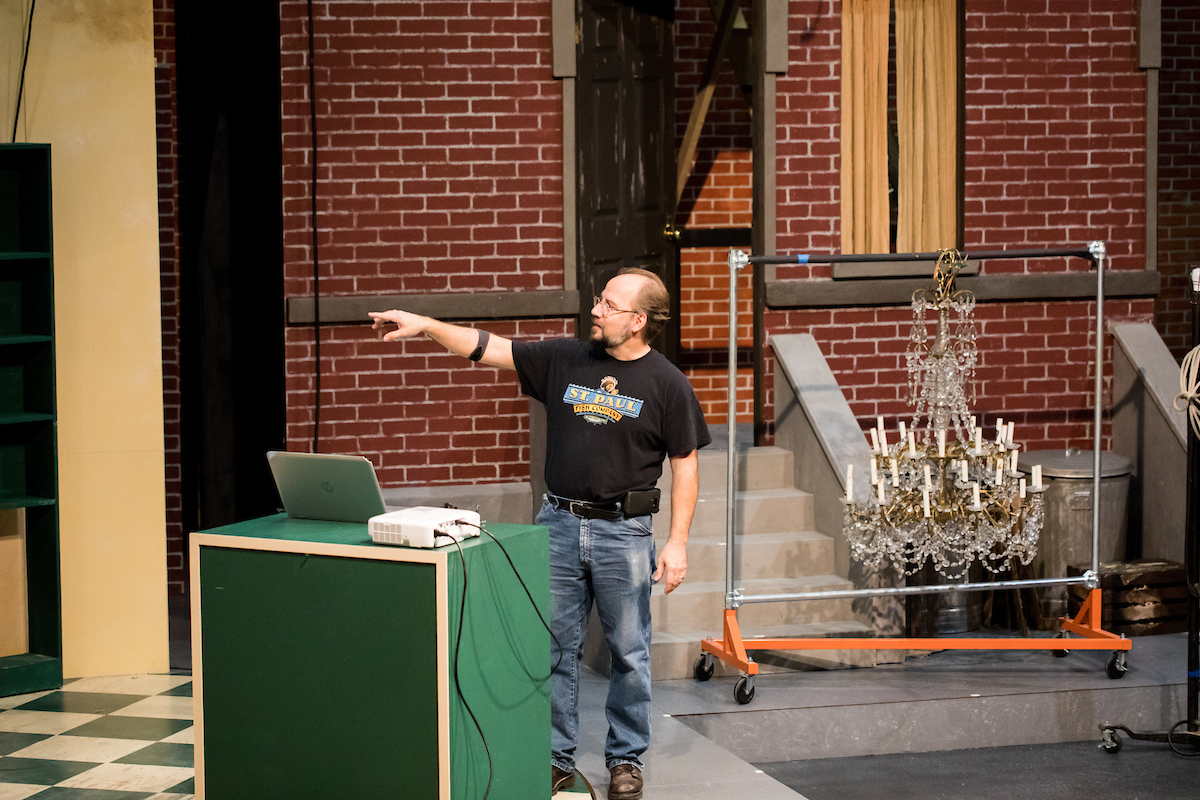
220: Scenic Studio Practicum
Hone skills learned in Technical Theater Fundamentals while working side-by-side with designers and technicians building University Theatre productions.
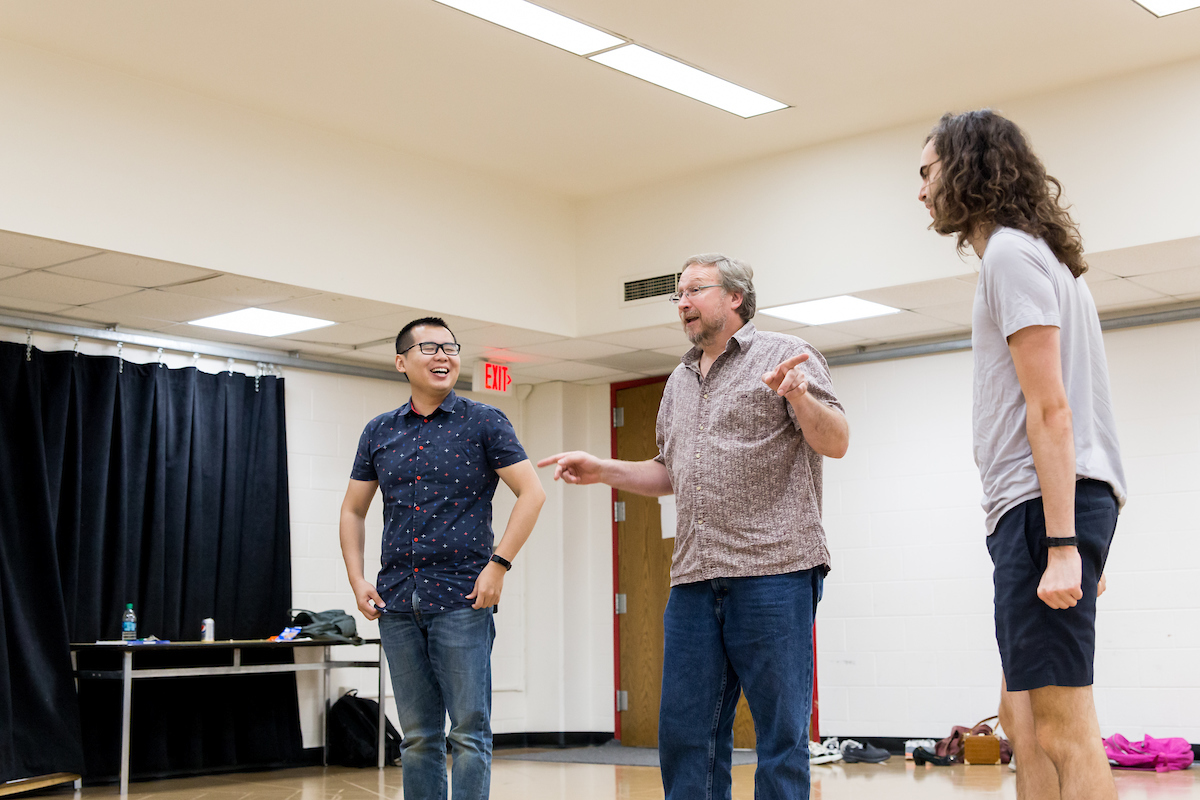
200: Acting Skills for Life
Focuses on how actor training can help students express their most genuine, grounded, and confident selves. Through interactive exercises, video projects, and creative reflection, students will learn how to make stronger first impressions, speak with clarity and confidence, and connect authentically with others—on screen, on stage, or in everyday life. No acting experience required—just curiosity and a willingness to explore!